
Installing solar can feel like a big decision when you are unsure what happens after requesting a quote. Knowing the steps makes the process easier to understand.
For Geraldton homeowners, the right installation starts with a system designed around the property, energy use and long term goals. Here is what you can expect from the first assessment through to switching your new system on.
The first step in a solar panel installation Geraldton project is understanding the property.
A qualified installer will look at the roof, available space, roof orientation, shading, electrical setup and current energy use. These details help determine the right system size and panel arrangement.
Your installer may also discuss how you use electricity during the day and evening. This matters because a system designed around your actual energy use can make better use of the electricity your panels generate.
For some Geraldton households, solar panels connected to the grid may suit their needs. Others may want battery storage or greater energy independence. You can explore solar solutions for Geraldton homes to see which approach may suit your property.
Before your assessment, having a recent electricity bill available can help. Your installer can use information from the bill to understand your energy consumption and discuss a suitable system.
It can also help to consider:
A good assessment gives you a clearer picture before you commit to equipment or installation.
Once the property has been assessed, the next stage is your solar quote Geraldton homeowners can use to understand the proposed system and installation.
A useful quote should give you a clear picture of what you are purchasing. Look for details such as the proposed system size, panels, inverter, battery options where relevant, installation work, warranties and expected system performance.
Price matters, but the lowest quote may not provide the best long term value.
The installer should also explain where the panels will be positioned and how the system will connect to your existing electrical setup.
The Clean Energy Council explains that the solar process includes system design, product selection, quotation, relevant approvals and grid connection. Its consumer guidance also highlights the importance of using suitably accredited professionals and following applicable Australian requirements. You can read the Clean Energy Council solar guide for further consumer guidance.
A solar quote should leave you feeling informed rather than rushed.
Ask your installer:
Clear answers at this stage can prevent confusion later.
After you approve the quote, the installer can finalise the system design and prepare for installation.
This stage turns the initial assessment into a practical installation plan. The final design considers the roof structure, panel arrangement, electrical equipment and cable routes.
For a grid connected system, connection requirements also need to be addressed before the system can operate as part of the electricity network.
Your installer will coordinate the relevant preparation and confirm the installation arrangements with you.
If you are considering a system that provides greater independence from the electricity grid, the design process can be different. Battery capacity, backup requirements and energy management become important parts of the planning.
For households considering this approach, you can explore off grid solar systems in Geraldton and learn how an off grid solar system works.
Once everything is ready, the physical solar installation can begin.
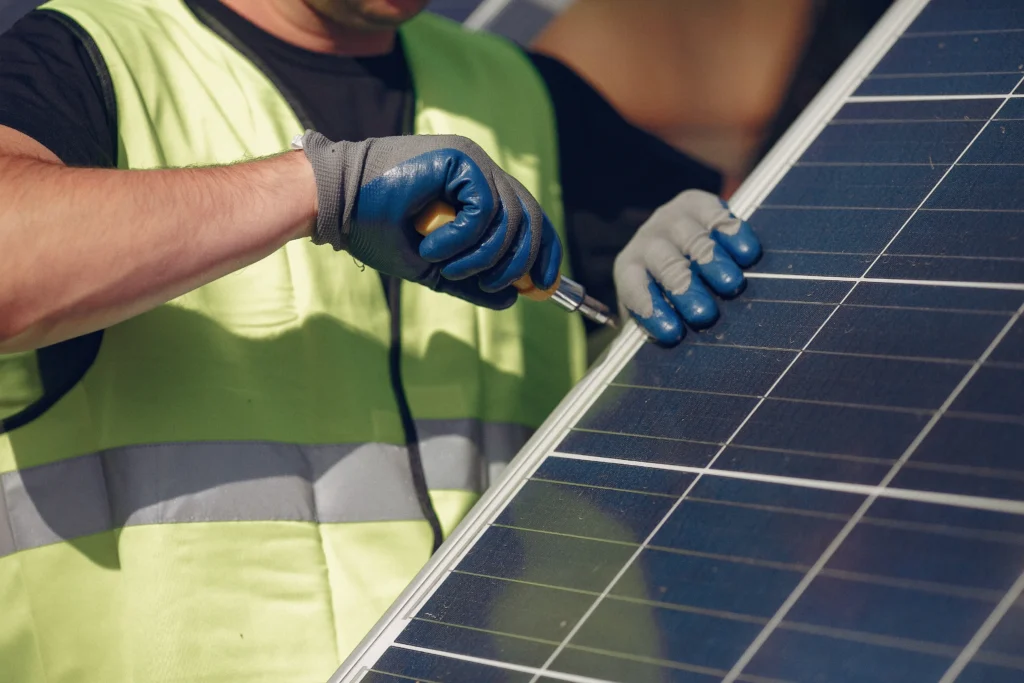
The installation team will position the panels according to the approved design. Mounting equipment is secured to the roof and the panels are connected as part of the solar array.
The inverter is then installed in its planned location. Depending on the system, additional electrical equipment and battery storage may also be installed.
Cabling is completed between the relevant components and the property’s electrical system.
A professional installation should keep safety and workmanship at the centre of the process. The Clean Energy Council’s guidance places strong emphasis on design quality, safety, performance and compliance with applicable Australian Standards.
Your installer will usually need access to the roof and electrical equipment areas. There may also be periods when electricity needs to be switched off while electrical work is completed.
It is useful to keep the installation area accessible and make sure the installation team can reach the relevant parts of the property.
The exact installation time depends on the system, roof layout, equipment and property.
Installation does not finish when the panels are secured to the roof.
The system needs to be tested and checked before it becomes part of your normal electricity setup.
For grid connected solar, the relevant connection process must be completed with the electricity network. Your installer can manage the required connection process and explain when the system is ready to operate.
You can also explore grid connected solar systems in Geraldton if remaining connected to the electricity grid suits your property.
Once the system has been commissioned, you should receive information about operating the system and monitoring your energy production.
Your installer should also explain the equipment, warranties and any ongoing requirements.
This is a useful time to ask questions such as:
A clear handover helps you get more value from your solar system from the beginning.
The solar installation process can vary depending on your property and the system you choose.
A standard grid connected system can be relatively straightforward. A battery system requires additional planning around storage and energy use. An off grid system requires further consideration because the system needs to support the property’s energy needs without relying on the electricity grid.
For households that want to stay connected, solar systems that stay connected to the electricity grid can provide a practical option.
For properties where energy independence is the priority, battery and off grid solar solutions can be considered as part of the system design.
The most important part is having the system designed around your needs rather than choosing equipment based only on price.
A quality solar installation should consider your current electricity use, future energy needs, property characteristics and the way you want to use your system.
Once your solar system is operating, your focus shifts from installation to making good use of the energy it produces.
Solar panels generally generate electricity during daylight hours. Using more of your solar generated electricity during these periods can help you make better use of the system.
Monitoring your system can also help you understand how much energy your panels produce throughout the day.
If you have battery storage, your system can store available energy for later use. This can be useful when household electricity demand continues into the evening.
Over time, monitoring your system can help you understand your energy habits and identify opportunities to use more of your own generated electricity.
A solar panel installation Geraldton project becomes easier when you know what to expect. From the first property assessment and solar quote through to installation, testing and handover, each stage has a clear purpose.
Electric Cool Geraldton is owned and operated by Mat and Leah Fisher in Geraldton. Mat is a qualified electrician with off grid, grid connected solar and battery accreditations. Systems are installed by experienced local trades and backed by a 5 year workmanship warranty.
Ready to take the next step? Call Electric Cool Geraldton on (08) 9942 4525 or contact the local team to arrange your solar assessment and quote.
Solar panel installation can often be completed within a day for a straightforward residential system. The full process can take longer when design, approvals, equipment availability and grid connection requirements are included.
Before installation, the property is assessed, energy use is reviewed and the system is designed. You then receive a solar quote covering the proposed equipment and installation before the work is scheduled.
Yes. A grid connected solar system requires approval from the relevant electricity network before connection. Your solar installer can manage the required connection process as part of the installation.
Battery storage can be useful when you want to store solar energy for use later in the day or evening. The right option depends on your electricity use, system design and energy goals.